Software development with end-to-end competence
Intelligent Solutions for Energy & Utilities

The Changing Energy Landscape: Software at the Core of the Energy Transition
The energy sector is rapidly transforming into a digital-first ecosystem, where software is the backbone of innovation, coordination, and optimization. As the industry pivots towards decarbonization, decentralization, and democratization, the role of software —from grid orchestration platforms to predictive analytics engines — is reshaping how energy is produced, managed, and consumed. It is becoming a hyper-connected, software-defined ecosystem.
But as the energy system becomes more digital, it also becomes more vulnerable. Ensuring energy security — from cyber resilience to operational safety and stability — requires robust software platforms, intelligent control, and secure-by-design architectures.
Wapice is at the core of this and powers innovations across many areas, from ready to use products and services to custom, AI powered solutions that shape the future. We help utilities to ideate and transform their business with our consultative approach. Want to get started today? Just get in touch with us.
How can Wapice benefit your industry?
Cost savings and verification
Save costs and verify your decisions with data, not guesswork.
Reduce manual work
Automate manual work to save time and resources.
Situational awareness
Make informed decisions with a clear view of the big picture.
Be flexible and save money
Demand response helps you save money by being flexible with your energy usage.
Software Solutions
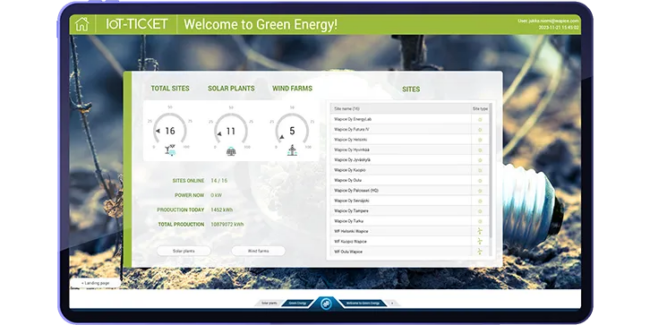
Digitalization and Data-Centric Infrastructure
As energy systems are becoming more software-defined, with data flowing continuously from millions of sensors, IoT devices, and distributed assets. Modern utilities are evolving into data-driven organizations, using software platforms for:
- Real-time telemetry and monitoring
- Asset performance management (APM)
- Digital twins of grid infrastructure
- Predictive maintenance powered by artificial intelligence (AI) and machine learning (ML)

This data infrastructure enables utilities and grid operators to shift from reactive to predictive operations, unlocking new efficiencies and resilience. Enabling demand – response scenarios, energy islands, Virtual Power Plants (VPP) and even the prosumer centric economy. Wapice’s IoT-TICKET and tailored solutions are at Wapice’s core offering.
Did you know that Wapice has the most energy focused AI and ML experts available for you in Finland?

Data-Driven Energy Intelligence
Consumption Information Management (CIM) enables a real-time, customer-centric approach to energy management by capturing, aggregating, and interpreting detailed consumption data across homes, businesses, and industrial sites. Software platforms built around CIM support:
- Smart metering infrastructure integration
- Load disaggregation and device-level analytics
- Usage pattern recognition using AI/ML models
- Personalized insights for end-users and energy advisors

With CIM, utilities and energy providers are evolving from simple commodity suppliers to digital service providers, offering data-driven recommendations, automation, and cost optimization to customers.
Did you know that Wapice’s EcoReaction platform is the most utilized platform in Finland in this area?
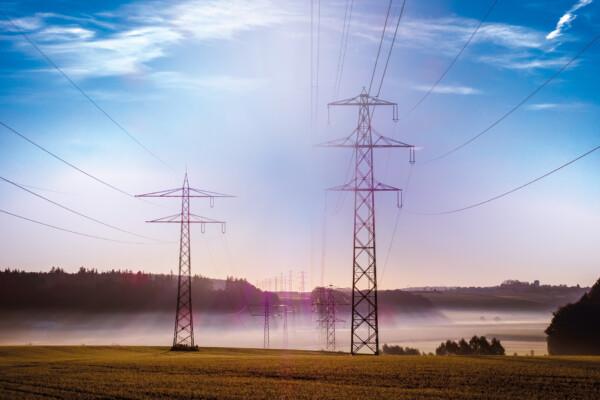
Intelligent Grid Management Software
Modern grid operations demand orchestration software capable of managing bi-directional energy flows, DER aggregation, and volatility from renewables. Software platforms now include:
- Advanced Distribution Management Systems (ADMS)
- Distributed Energy Resource Management Systems (DERMS)
- Energy Management Systems (EMS)
- Grid edge AI applications for local decision-making
These systems rely on real-time data ingestion, cloud computing, and algorithmic control to dynamically balance supply and demand, especially as decentralized resources proliferate. Wapice’s drives this with IoT-TICKET, Edge solutions, vast knowledge of communication protocols and data formats and tailored solutions.

Demand Response Platforms
Software platforms for Demand Response (DR) are redefining how utilities and aggregators interact with consumers. These platforms:
- Use smart meters and APIs to enable dynamic load control
- Leverage real-time price signals to automate demand shifts
- Integrate with home automation systems, EV chargers, and smart appliances
DR software is increasingly powered by machine learning algorithms that optimize user engagement, predict load behavior, and ensure system reliability at scale.
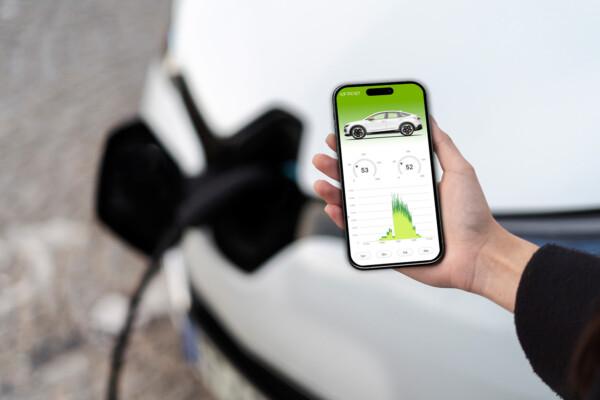
EV Charging Management Software
The explosion of electric vehicles (EVs) introduces a new layer of complexity—and opportunity—for software innovation. EV charging platforms now support:
- Smart charging orchestration based on grid constraints and pricing signals
- Vehicle-to-Grid (V2G) bidirectional energy transactions
- Fleet and depot management tools for commercial operators
- Open standards (like OCPP & OCPI) for network interoperability
These platforms often run on cloud-native architectures, integrate with DERMS and utility systems, and support billing, user experience, and grid services participation.
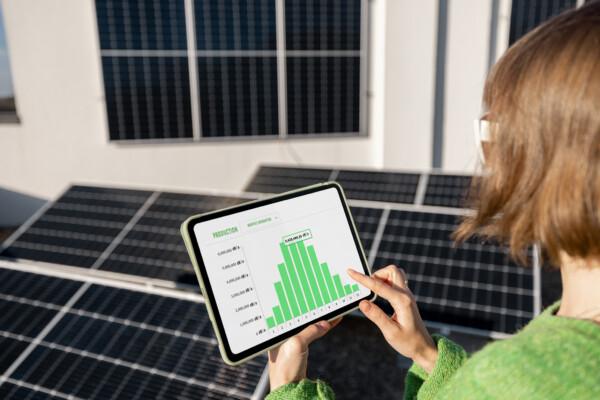
Prosumer Platforms and Energy Marketplaces
The rise of prosumers — consumers who generate and sell electricity — has fueled the growth of transactive energy platforms. These software systems enable:
- Peer-to-peer (P2P) trading of energy using smart contracts or blockchain
- Dynamic pricing algorithms based on local generation and demand
- Community energy management for microgrids and energy cooperatives
Such platforms are turning the traditional utility model on its head by empowering consumers with autonomy and financial participation in energy markets.

Energy Islands and Microgrid Software
Software plays a critical role in managing energy islands and microgrids. These isolated or semi-autonomous systems require:
- Microgrid controllers with embedded intelligence
- Energy management platforms for resource optimization
- Grid-forming inverter software for stable islanded operations
- Black start and reconnection sequencing tools
With AI-based forecasting and optimization, microgrid software ensures resilience and efficiency even in disconnected or remote scenarios.
Cybersecurity, Cloud, and Platformization
As digital transformation deepens, the attack surface widens. Cybersecurity software, secure communication protocols, and identity management systems are now essential components of energy infrastructure.
Meanwhile, cloud computing is driving platformization, where energy software is delivered as SaaS or PaaS. Key trends include:
- Virtual power plant (VPP) orchestration software
- Energy-as-a-Service (EaaS) platforms
- API-driven integration ecosystems for third-party applications
- Digital energy marketplaces for trading flexibility, carbon credits, and ancillary services

The Future: AI-Native and Autonomous Energy Systems
Looking ahead, the energy sector is moving toward AI-native systems capable of autonomous operation. These include:
- Autonomous grid restoration systems
- Reinforcement learning agents for real-time dispatch
- Generative AI for scenario planning and system design
Combined with IoT, edge computing, and 5G connectivity, these capabilities will enable ultra-responsive, resilient, and intelligent energy networks.
Code is Powering the New Energy Era
The energy transition is no longer just an engineering challenge — it’s a software-driven revolution. As utilities, grid operators, and prosumers embrace digital platforms, the future energy system will be as much about lines of code and data pipelines as it is about electrons and transformers.
Success will depend on interoperable standards, intelligent automation, and user-centric software that can scale flexibly and securely across an increasingly complex, distributed, and dynamic energy landscape.


Most the solutions on the market were too complex for Lumme Energia’s needs. Wapice IAM included all the functionality we needed, plus their pricing model was more attractive than that of their competitors.
We at Helen chose Wapice IoT-TICKET® platform because of its versatile design and ease of use in existing and new business areas. Wapice is a proven partner with high-quality references from industry players
Summium® CPQ is a tool used for facilitating the offer-to-order process, enabling more efficient management of product variations as well as faster sales. ERP integration ensures faster transfer of orders into the ERP system.
Our comparison showed that Wapice’s IoT-TICKET platform is by far the most agile way for us to get started. The choice was also supported by cloud independence: IoT-TICKET can be installed in any commercial cloud environment. As a global business, we feel it is important that we can adapt to different customer requirements for cloud services when needed.
Meet our experts!
Found something that you think could boost your business to new highs, save you time or resources or improve your hygiene factors? Get in touch with our experts – we’re not just technical heroes, but also fun to work with – get started now and book your free meeting here.

Jyrki Keskinen
Director of Energy Business Line