
Get to know our Segment Leader: Lassi Niemistö, Head of Security, Quality & DevOps
- culture
- people
Lassi Niemistö has been working at Wapice since 2011 and has seen the company grow and evolve over nearly 16 years. Originally from Jurva, Lassi’s interest in technology and problem-solving began during his childhood on a farm, where fixing and building things yourself was part of everyday life. That same curiosity is still reflected in his work today, especially when it comes to solving practical challenges for customers.
Wapice organization is divided into six different segments. Our segment leaders are long-time members of Wapice, and they are a crucial part of the company’s success and growth. In this blog series, you’ll get to know the people behind Wapice’s success – read more!
Hi Lassi! Could you tell us about your segment?
Our segment was originally built around DevOps, with quality assurance and information security brought together under the same umbrella. These are all areas that play an important role in almost every aspect of software development.
The segment has grown around test automation and modern software development. Over the years, we have strengthened our expertise particularly in cloud technologies and DevOps, while also systematically developing our information security capabilities. It has been great to see both the team and the business grow around these areas.
Our work is slightly different from many other segments because our customers often develop software themselves. We help them with areas that require specialized expertise, while also supporting other Wapice segments in developing software more efficiently, with higher quality and better security. There are currently around 30–40 employees in our segment.
How did you end up working at Wapice?
I became interested in technology at a young age. During upper secondary school, I thought I wanted to work with automation and systems that have a real impact on the physical world. I ended up studying automation engineering, but during my studies, I discovered that I was particularly interested in electronics, embedded systems and programming.
I was looking for a summer job in my field and applied mainly to software companies in the Ostrobothnia and South Ostrobothnia regions. Wapice was actually the second company where I had a job interview. During my studies, I also briefly ran my own small business with a fellow student, working on a software project for the Finnish Forest Research Institute. That experience was certainly useful when applying to Wapice, as I could already demonstrate that I had worked on real customer projects. And here I still am!
I immediately got a positive and welcoming feeling from my interview at Wapice. What stood out to me was how they approached a younger professional. Instead of focusing on whether I knew every detail of a particular programming language, we talked more about my own projects, what I had already done and how I approached different challenges. I felt that this was a great way to recognize someone’s potential. Today, I try to use the same approach when interviewing candidates myself.
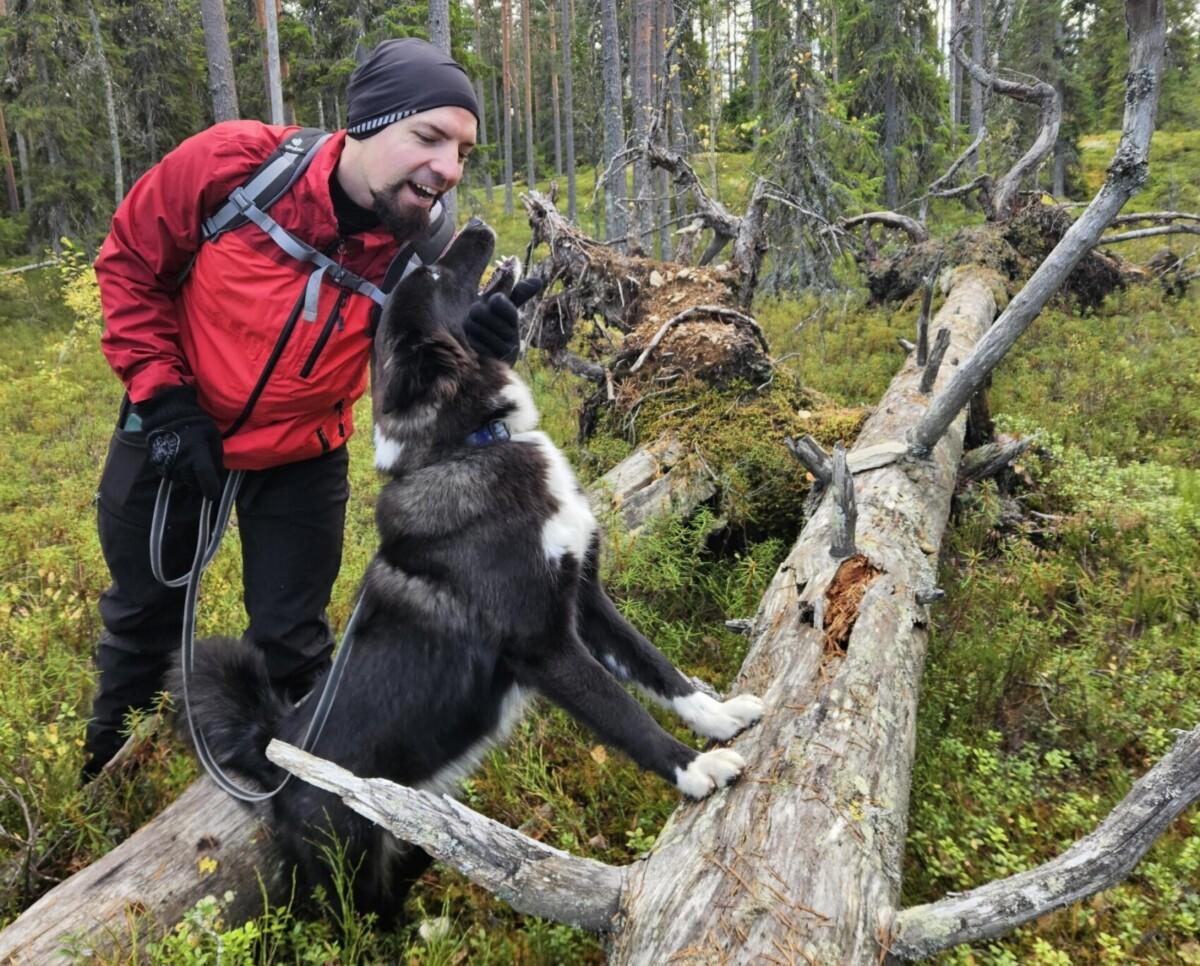
What has kept you at Wapice for so long, and how has your career evolved over the years?
For the first five years or so, I worked with embedded software development and automation systems. After that, I moved into an architect role, where my responsibilities included test automation and DevOps-related solutions. A few years later, I moved into my current role as a segment leader.
I never really thought I would want to manage other people. At the time, I was more interested in technical work. However, what attracted me to the segment leader role was the opportunity to work with business development, support sales and drive technological development. I have learned leadership skills along the way, and I can also rely on the strong support of our team leaders.
In my current role, there are always many things happening at once. One of the biggest learning experiences has been figuring out how to manage such a varied role, delegate tasks and keep everything moving in the right direction.
What I have especially enjoyed about Wapice is its flat organizational structure and working culture. Many of our leaders also have technical backgrounds, and there is no need to waste energy on unnecessary organizational politics. People have the freedom to take responsibility, try new things and sometimes even fail. You don’t need a detailed set of instructions or formal approval for everything before you can start turning a good idea into reality.
What is your best memory at Wapice?
I have many great memories, but one of the first goes back to my very first summer at Wapice. When others went on holiday, I was given a challenging software bug to solve. I was given a lot of freedom to investigate the problem and could even purchase new measuring equipment if needed. When I finally managed to solve the difficult issue, I felt for the first time that I could genuinely create value and that I was an important part of the Wapice team.
Another memorable experience was a trip abroad to a customer’s facility to investigate a software crash. We built quite a complex measurement setup on-site and managed to identify the cause of the problem within a few days. These kinds of practical problem-solving experiences have really stayed with me.
I also have great memories of working at Wapice’s newly established Tampere office while I was still a student. I was young and relatively inexperienced, but I knew the project well and had the opportunity to help onboard more experienced colleagues who had joined the team. Many of the people I worked with on that project became colleagues I am still close to today.
What does a typical workday look like for you?
There’s really no such thing as a typical day! My work might involve preparing a solution proposal for a customer, attending meetings to discuss Wapice’s expertise and potential collaboration opportunities, or supporting younger colleagues with technology development projects. On days when I’m at the office, coffee and lunch breaks with colleagues are definitely among the highlights of my day.
I also usually have some personal project running in the background, such as developing an internal tool or exploring a new technology. I often come up with slightly wild ideas or “pet projects” that are still at such an early stage that they can’t really be delegated to anyone else.
I also think it’s important to always be available to our employees. I actively participate in our shared communication channels so that people feel that management is listening and open to discussion.
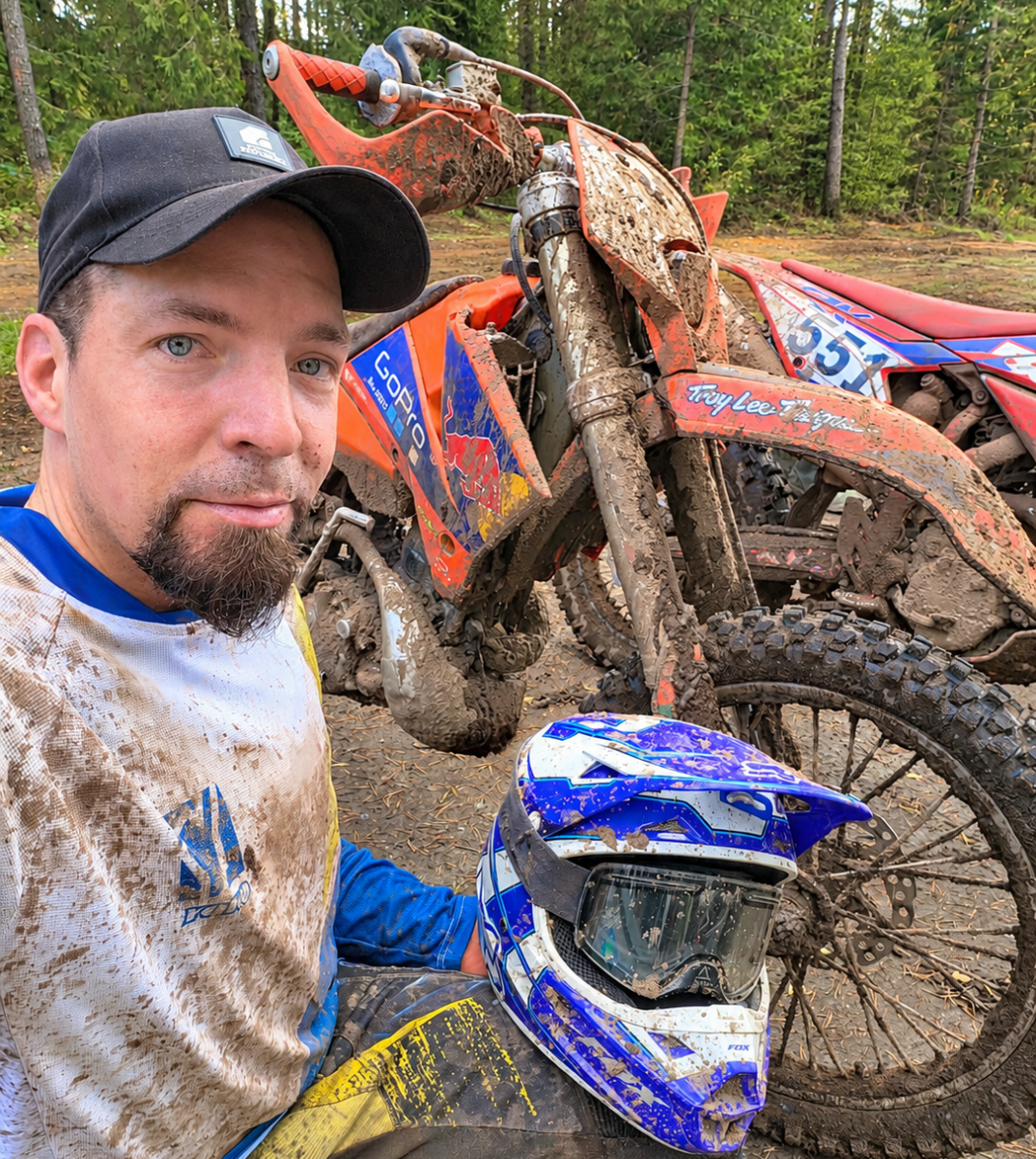
What do you enjoy doing in your free time? What is important to you in life?
What excites me most is turning different ideas into reality. I usually have far more ideas than I have time to try out. In my free time, I often find myself wondering whether I could build something myself or whether a new idea or approach might work. And of course, once I get an idea, I have to give it a try! Some of these projects have even ended up on social media and gained followers.
Motorsports provide a good balance to my other projects. My hobbies include Micra Endurance circuit racing, enduro and some motocross. They are great ways to clear my head.
I believe it’s important to stay open-minded and be willing to explore new ideas and ways of doing things, both in technology and in life in general. The world is constantly changing, and I think being curious and adaptable helps us learn, grow, and discover new opportunities. At the same time, I value stability and having a solid foundation in life. For me, it’s all about finding the right balance between embracing change and appreciating the security and stability that come from the things we can rely on.
Every now and then, I also like to shake things up a little. I believe life should include joy, excitement and sometimes something a bit unusual. Everything doesn’t always have to be so serious and ordinary.
Author
